

ZAMBIA-DRC CO-OPERATION AGREEMENTS – AN UNSOLICITED COMMENTARY
The invasion of Ukraine by Russia has threatened energy security of many countries around the world. Sub-Sahara Africa is no exception, buckling under the pressure of high fuel prices on the world market and increasing the vulnerabilities inherent in its dependency on oil producing countries. Volatile prices are wreaking havoc to commerce, forcing West African countries like Nigeria to suspend domestic flight operations because of high jet fuel prices. Unprecedented fuel shortages in East Africa, threaten to grind Kenya’s economy to a halt. A poignant reminder of how easily geopolitical conflicts distort the global economy and trade owing to interconnectedness.

With such a gloomy energy crisis outlook, it makes one wonder whether there is any respite on the horizon. Globally people bear the full brunt of high prices of petroleum products through increased cost of living as a consequence of commodity prices and transportation costs escalation.
The signing of Cooperation Agreements by the governments of Zambia and Democratic Republic of Congo on the 29th April, 2022 in Lusaka, is not only monumental but impeccably timed. For the discerning, it marks the turning of a corner for the better for the two economies.
COP 26- The Glasgow Accord
The 2021 COP 26 saw the birth of the Glasgow Accord on Zero Emissions Vehicles (ZEVs), a policy document that will see the relegation of Internal Combustion Engines (ICEs) to history. The Accord seeks to facilitate the phasing out of ICE vehicles by 2035 through the concerted efforts of governments, auto manufacturers, and fleet vehicle owners.
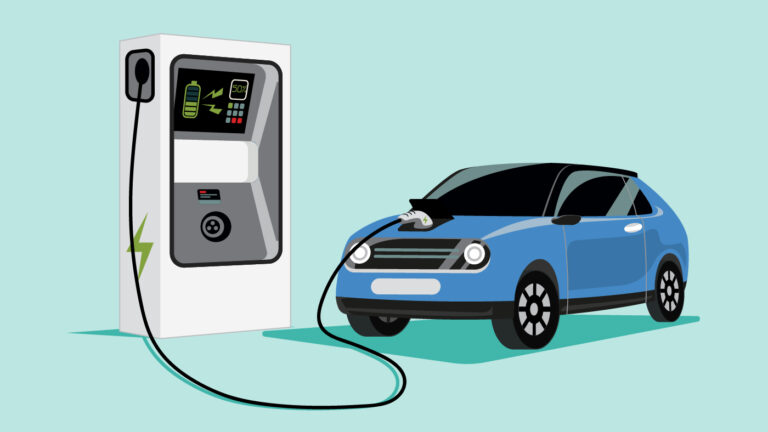
The Zambia-DRC Cooperation Agreements couldn’t have come sooner for the two discerning governments. Against the backdrop of COP 26 and the looming world energy crisis, Zambia and DRC have seized the opportunity to drive the energy transition by embarking on an ambitious initiative to manufacture electric vehicle (EV) batteries and strengthening of the battery value chain.
Minerals Beneficiation
One of the primary material in lithium-ion EV batteries is cobalt. By and large, African countries are major sources of mineral resources with most of the world’s cobalt coming from the copper belt, which runs through the Central African Republic, the Democratic Republic of Congo (DRC) and Zambia. In 2021 DRC accounted for more than two thirds of global cobalt production making it the world’s largest cobalt producer. Zambia is also renowned as the world’s sixth-largest producer of copper.
 Historically, both have exported minerals as raw materials without significant beneficiation through the processes which increase the value of raw critical materials and transforming them into finished products, much to their detriment. Opportunities for adding value and raising revenue finished products exports have been missed. The Cooperation Agreements are seeking to change where benefits accrue in the supply chain with the echoing of beneficiation at the 2022 Cape Town Mining Indaba.
All EVs require substantial amounts of copper, incorporated in batteries, windings and copper rotors used in electric motors, wiring, busbars and charging infrastructure. The phasing out of ICEs and replacing them with ZEVs will increase both the extraction of raw materials and production of EV batteries in order to meet growing demand.
It is a known fact that 80% of the materials needed to produce EV batteries naturally occur in the two countries. These include Lithium, Cobalt, Manganese, Graphite, Nickel and red metal, Copper. It is worth noting that cobalt is a by product of copper and nickel mining.
It thus makes economic sense for the two countries to position themselves as producers and suppliers, from mineral extraction, beneficiation and manufacture of the much sought-after EV batteries.
Energy Transition and Climate Change considerations
Electric mobility is the future and is set to revolutionise transportation by cutting off dependence on fossil fuels. Carbon dioxide emissions from the transport sector stands at 20% which represents an impediment to maintaining the global temperature at 1.5°C above pre-industrial levels.
The Cooperation Agreements become fundamental to the two countries in honouring their Nationally Determined Contributions (NDCs)which they have agreed to revisit and strengthen from their current emissions targets to 2030. In 2021 Zambia committed to a 47% whereas DRC committed to a 17% reduction of carbon emissions, conditional on substantial international support.
The Road Ahead
It is laudable that Zambia and DRC will participate in the electric mobility revolution through EV batteries production, the core of the ZEVs.
However, success may depend on a variety of other considerations that may be fundamental to the EV batteries production initiative.
Decommissioning of EV batteries
It is as important from the outset to plan for safe disposal of EV batteries at the end their useful lives in order to reduce hazardous waste, just as it is important to plan for production. Countries that have already deployed EV batteries are grappling with the issue of safe disposal of old batteries in the near future.
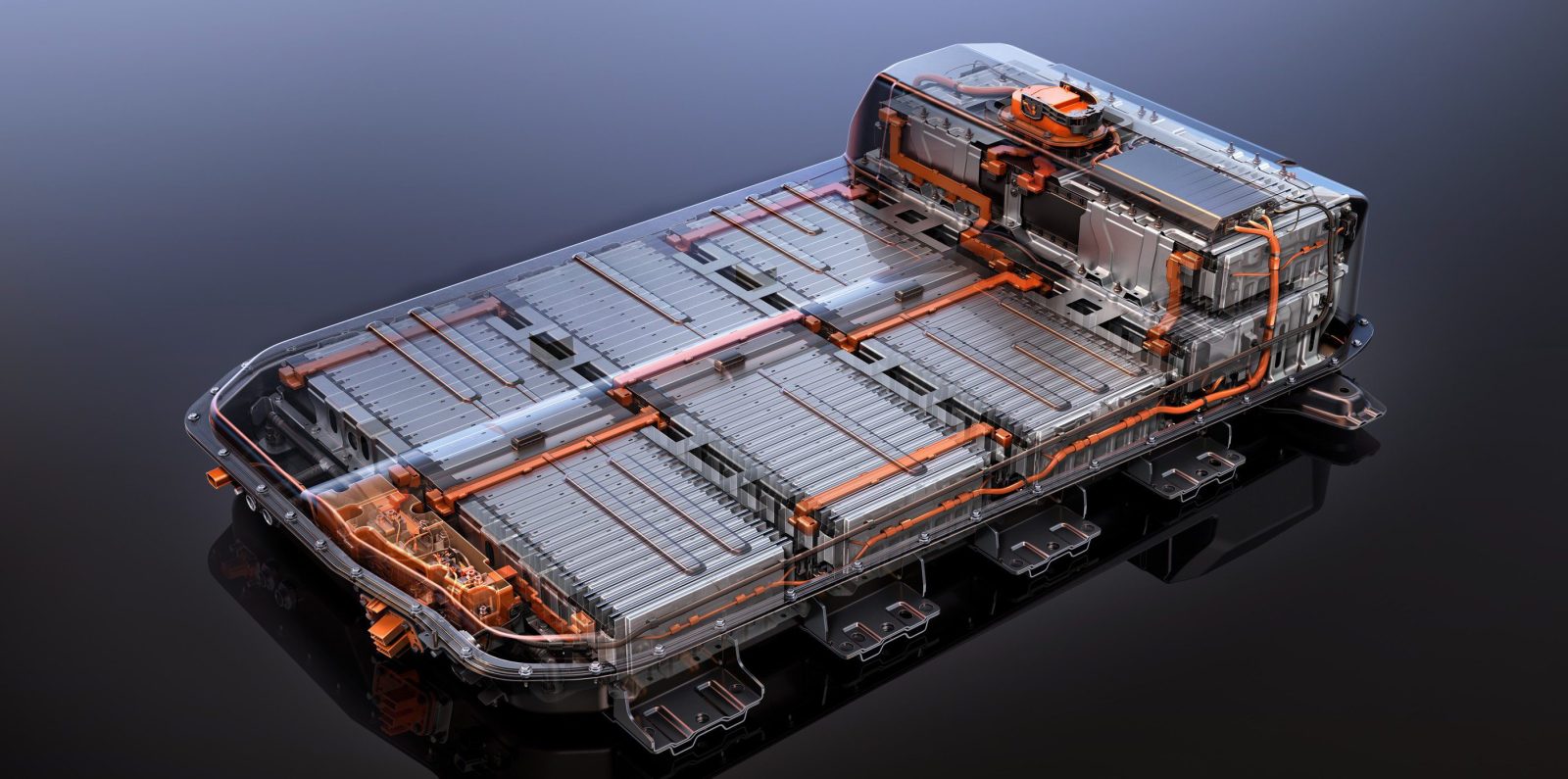
The Zambia-DRC initiative needs to seriously consider comprehensively planning for decommissioning and treatment of EV batteries at the end of their functional lives. This should be undertaken by skilled personnel proficient in handling retired EV batteries including outsourcing it to specialized entities. Long term, personnel should be trained and upskilled to create even more employment in the value chain. Besides recycling to recover metal components, there is potential to remanufacture and re-use them.
Decommissioning EV batteries in a manner that does not negatively impact upon human health and the environment is crucial to minimise the social costs of production.
Disposal
From an environmental and circular economy stand point, outright disposal of EV batteries is not the best option given the valuable materials and residual capcity which could be wasted at the end of life.
Maximising net gains from the EV transition requires planning along side for sustainable end of life management such that full value is harnessed from all EV components, while harmful environmental and human impacts of production and disposal are minimised.
Recycling after first use
When an EV battery can no longer provide effective vehicle traction it becomes redundant. In line with circular economy principles, materials can be recovered through the process of recycling thereby minimising supply chain risks, and alleviate negative human and environmental impacts of materials mining. Recycling of useful components and materials not only negates hazardous waste but also conserves raw materials on which future economic development depends thus promoting sustainable use of resources.
Repurpose and Re-use:
The EV batteries can be repurposed or re-used to harness the significant remaining power and capacity, perhaps for energy storage, even though this remains largely nascent.
Extended Producer Responsibility
Extended Producer Responsibility (EPR) is an environmental-political approach founded on the “polluter pays” principle requiring those introducing products to a market to assume full responsibility for them at the end of their functional life. It is an environmental protection strategy that makes the manufacturer of the product responsible for the take back, recycling and final disposal of the product.
EPR requires that every obligated company pays a fee when introducing a product onto the market. The fees go toward the collection and further processing of the waste product ensuring the collection, sorting, recycling, or energy recovery of that product. EPR involves producers in the management and financing of end of life waste by imposing the obligation to assume responsibility for their waste.
EPR is characteristic of a circular economy, introducing a system designed to maximise the use of resources and minimising generation of waste for disposal. It is particularly useful for dealing with bulky and dangerous end of life EV batteries, which contain valuable metal components.
Many countries, especially developed ones, have introduced EPR to ensure that effective processes and infrastructure are in place for collecting, sorting, and recycling product and packaging material waste.Developing countries like Zambia and DRC on the other hand, lack base recycling infrastructure therefore it is imperative for the Zambia-DRC initiative to devise regulatory frameworks that places the responsibility of safe take-back, recycling, and final disposal EV batteries at the end of their lifecycle on producers.
CONCLUSION
The Cooperation Agreements present an exciting opportunity for Zambia and DRC to change the narrative from exporting critical raw materials in mineral resources to adding value and producing EV batteries for electric mobility, while creating employment and revenue in the value chain that will change the fortunes of both economies.
More importantly it is a opportunity to invest in the energy transition as far as electric mobility is concerned. This initiative will catalyse the transition from ICEs to ZEVs, to the benefit of the people and offer a clean energy alternative to the costly fossil fuel energy in the transport sector, while scoring positives for climate change.
This will however come with some great responsibility and stewardship by both the Governments and the private sector, if the initiative is to deliver on its objectives.
About the author

Mrs. Nkusuwila Nachalwe-Mbao
Candidate-LLM Energy and Environmental Law, University of Birmingham;
Bachelor of Laws Degree-University of Zambia; LLB
Post Graduate Diploma in Legislative Drafting; P.G Dip L.D
Associate Member and Chartered Governance Professional/Chartered Secretary of the Chartered Governance Institute (formerly Institute of Chartered Secretaries and Administrators ICSA), United Kingdom; ACG
Member of the Chartered Institute of Arbitrators, United Kingdom and Zambia- MCIArb Managing Partner at Nkusuwila Nachalwe Advocates


